- +91-9810368671
- info@tajmahaldaytripfromdelhi.com
- New Delhi, Delhi 110055

Agra is not just a destination on the map of India. It is a feeling that slowly unfolds as you walk through its lanes, hear stories whispered by ancient walls, and watch the Yamuna River flow silently beside centuries of history. Nestled in Uttar Pradesh, Agra is often introduced to the world through the Taj Mahal, but the soul of this city goes far deeper than its most famous monument.
For first-time visitors, Agra feels familiar and surprising at the same time. The aroma of street food mingles with the sound of temple bells and distant mosque prayers. Rickshaws weave through old markets, while grand Mughal structures stand tall, reminding you of an era when emperors ruled with vision, ambition, and artistic brilliance.
This guide is not just about places to visit. It is about experiencing Agra, understanding its rhythm, and discovering moments that stay with you long after you leave. Whether you love history, food, photography, or slow cultural exploration, Agra has something special waiting for you.
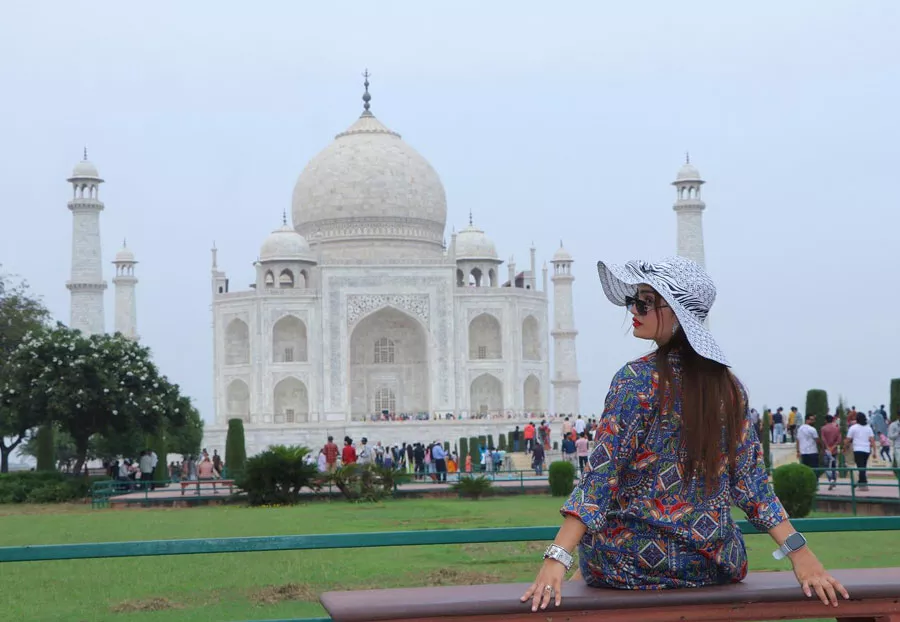
There are very few moments in life that feel truly magical, and watching the Taj Mahal at sunrise is one of them. As dawn breaks, the sky slowly changes color, and the white marble monument reflects soft shades of pink, gold, and ivory. The world feels quiet, almost respectful, as if time itself has paused.
Built by Emperor Shah Jahan in memory of his beloved wife Mumtaz Mahal, the Taj Mahal is not just architecture. It is emotion carved in stone. Every detail, from the delicate marble inlay to the perfect symmetry, tells a story of devotion and loss.
Walking barefoot on the cool marble floor, you may notice visitors speaking softly, couples holding hands, and solo travelers simply standing still, soaking in the moment. This is the Taj’s true power. It makes people feel.
Entry Fees
Indians: ₹50 | Foreigners: ₹1100
Timings
Sunrise to sunset (Closed on Fridays)
Local Tip
Visit early in the morning to avoid crowds and heat. Carry a small bottle of water and wear light-colored clothing for comfort and photos.
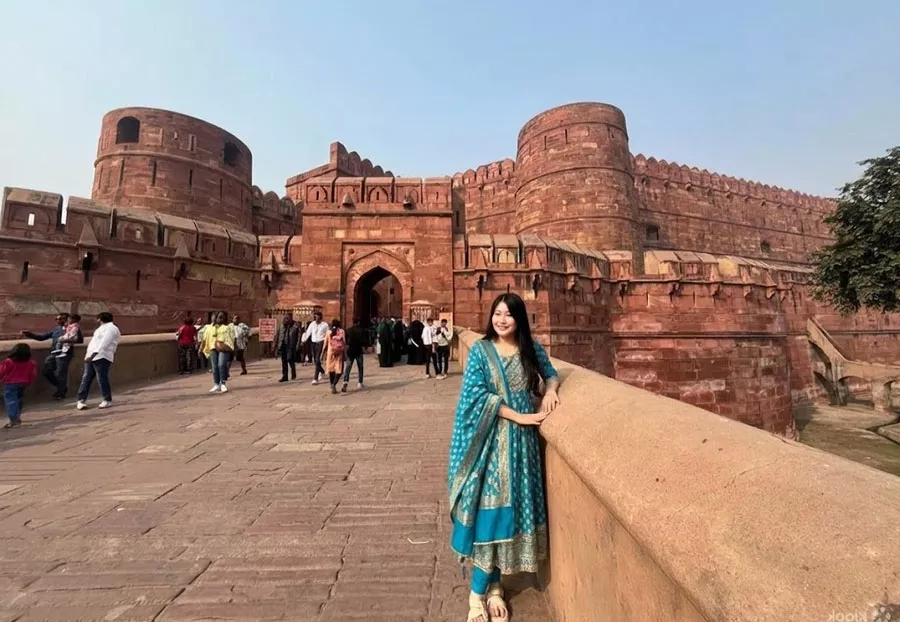
A short distance from the Taj Mahal stands Agra Fort, a massive red sandstone structure that once served as the heart of the Mughal Empire. While the Taj speaks of love, Agra Fort tells stories of power, politics, and royal life.
As you enter through its grand gates, the scale of the fort instantly impresses you. Inside, you will find palaces, courtyards, mosques, and audience halls where emperors once ruled vast territories. Diwan-i-Aam, where the emperor addressed common people, and Diwan-i-Khas, reserved for royal discussions, showcase fine craftsmanship and strategic design.
One of the most emotional spots inside the fort is the area where Shah Jahan was imprisoned by his own son. From here, he spent his final years gazing at the Taj Mahal from a distance. Standing there, it is impossible not to feel the weight of history.
Entry Fees
Indians: ₹50 | Foreigners: ₹650
Timings
Sunrise to sunset
Local Tip
Hire a licensed guide to truly understand the stories hidden behind each wall and arch.
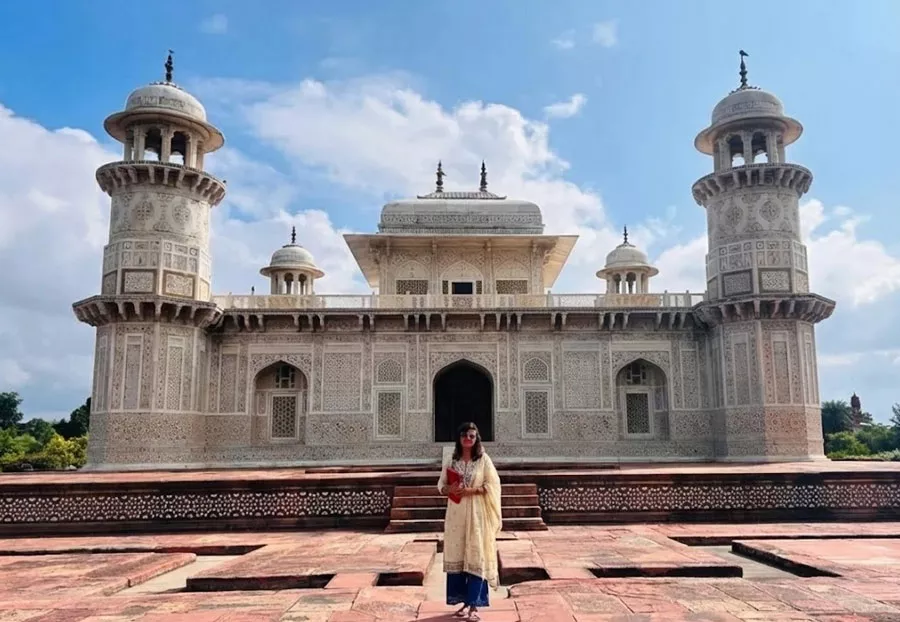
Often called the Baby Taj, the Tomb of Itimad-ud-Daulah is a peaceful escape from Agra’s busy landmarks. This monument is smaller in size but rich in artistic detail and historical significance.
Built by Nur Jahan for her father, it is considered the inspiration behind the Taj Mahal’s design. The white marble structure is decorated with intricate inlay work, delicate carvings, and lattice windows that allow soft light to filter inside.
Surrounded by well-maintained gardens, this place feels calm and intimate. You can take your time here, sit on a bench, and enjoy the gentle breeze from the Yamuna River nearby.
Entry Fees
Indians: ₹30
Foreigners: ₹310
Timings
6:00 AM to 6:00 PM
Local Tip
Visit in the late afternoon when the light enhances the marble details.
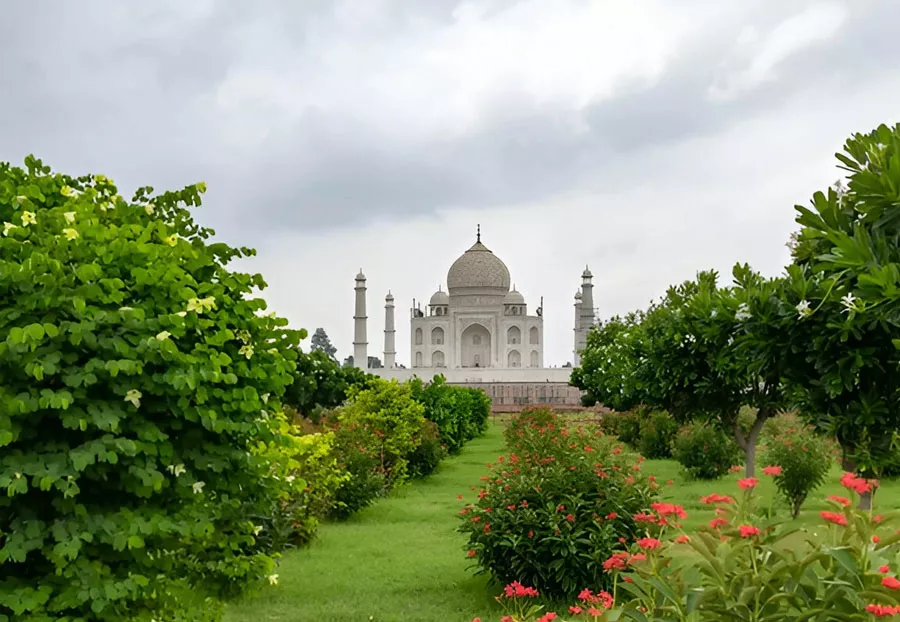
If you want to see the Taj Mahal from a quieter, more poetic angle, Mehtab Bagh is the place to be. Often called the Moonlight Garden, this beautifully laid-out garden sits directly across the Yamuna River and offers one of the most peaceful views of the Taj.
Arriving here in the late afternoon feels like stepping into a calm pause between the busy hours of sightseeing. As the sun slowly descends, the Taj Mahal begins its magical transformation. The bright white marble softens into shades of gold, peach, and pale silver, depending on the light. The reflection of the monument in the river adds to the charm, creating a scene that feels almost unreal.
Photographers love Mehtab Bagh for its symmetry and unobstructed views, but you do not need a camera to appreciate this place. Sitting on one of the benches, listening to the distant sounds of the city, and simply watching the sky change colors is an experience in itself.
The garden is thoughtfully designed with neat walking paths, green lawns, flowering plants, and shaded corners. It invites you to slow down, breathe deeply, and absorb the beauty around you. Compared to the crowded Taj Mahal complex, Mehtab Bagh feels intimate and serene.
Entry Fees
Indians: ₹15 to ₹25
Foreigners: ₹200 to ₹300
Timings
6:00 AM to 6:00 PM
Local Tip
Evenings can attract mosquitoes near the river, so carrying mosquito repellent will make your visit more comfortable.
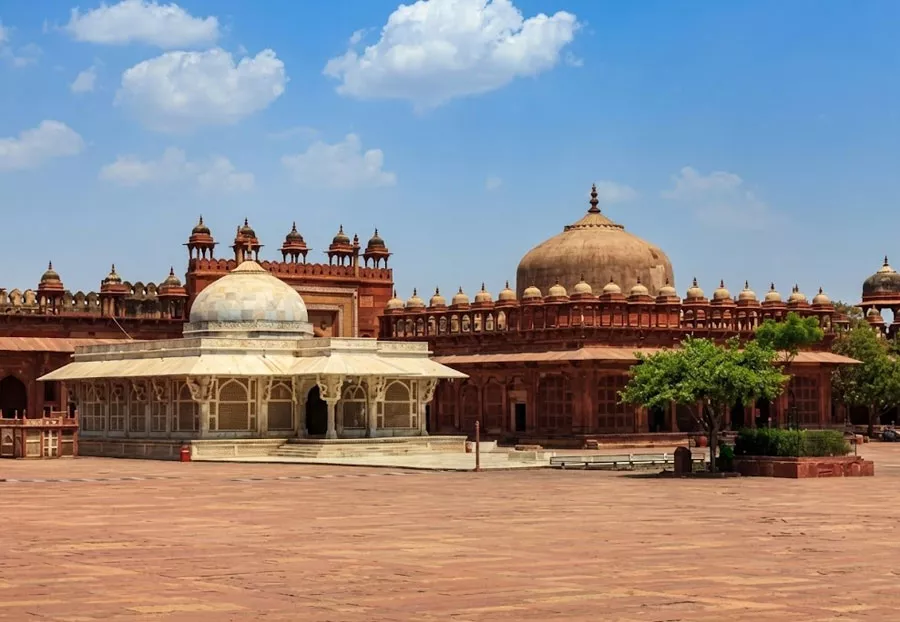
Just a short drive from Agra lies Fatehpur Sikri, a place that feels like history pressed pause and never resumed. Built by Emperor Akbar in the 16th century, this grand city was once the capital of the Mughal Empire. However, due to water scarcity, it was abandoned within a few years, leaving behind a remarkably preserved architectural wonder.
As you walk through Fatehpur Sikri, the scale of the city is the first thing that strikes you. Massive gateways, wide courtyards, and red sandstone structures stretch out in every direction. The iconic Buland Darwaza stands tall as a symbol of Akbar’s victories and vision. Passing through it feels like entering another era.
Inside the complex, structures like Panch Mahal showcase beautiful architectural balance, while Jodha Bai’s Palace reflects the blending of Hindu and Islamic styles. Each building tells a story of cultural harmony and royal life.
One of the most spiritually significant spots here is the Tomb of Salim Chishti. Even today, devotees from different faiths visit this shrine to offer prayers and tie sacred threads, believing their wishes will be fulfilled. The atmosphere around the tomb feels deeply peaceful and full of faith.
Fatehpur Sikri is not just about monuments. It is about imagination. As you walk its pathways, you can almost picture royal processions, court gatherings, and daily life from centuries ago.
Entry Fees
Indians: ₹50
Foreigners: ₹610
Timings
Sunrise to sunset
Local Tip
Wear comfortable footwear and carry water, as the complex is vast and involves a lot of walking under the sun.

Agra’s food tells stories just as beautifully as its monuments. Deeply influenced by Mughal kitchens, the city’s culinary heritage is rich, aromatic, and full of bold flavors. Every meal here feels like a celebration of tradition.
Mughlai cuisine dominates Agra’s dining scene. From tender kebabs grilled to perfection to slow-cooked biryanis infused with spices, the food is comforting yet indulgent. Popular restaurants like Pinch of Spice and Pind Balluchi are known for serving authentic flavors that appeal to both locals and travelers.
No food journey in Agra is complete without tasting petha. This iconic sweet, made from ash gourd, has a soft, translucent texture and comes in a variety of flavors such as saffron, rose, mango, and paan. Visiting old neighborhoods where petha is prepared fresh adds another layer to the experience, as you see artisans perfecting their craft.
Mornings in Agra have their own charm, especially when you start the day like a local. Bedai, a deep-fried bread stuffed with spiced lentils, served with spicy potato curry, is a breakfast favorite. Pair it with hot, syrupy jalebi, and you have a meal that perfectly balances spice and sweetness.
Suggested One Day Sightseeing Plan
For travelers short on time, an efficient Agra sightseeing tour can include the Taj Mahal at sunrise, Agra Fort mid morning, lunch in the city, Itimad ud Daulah in the afternoon, and sunset at Mehtab Bagh.
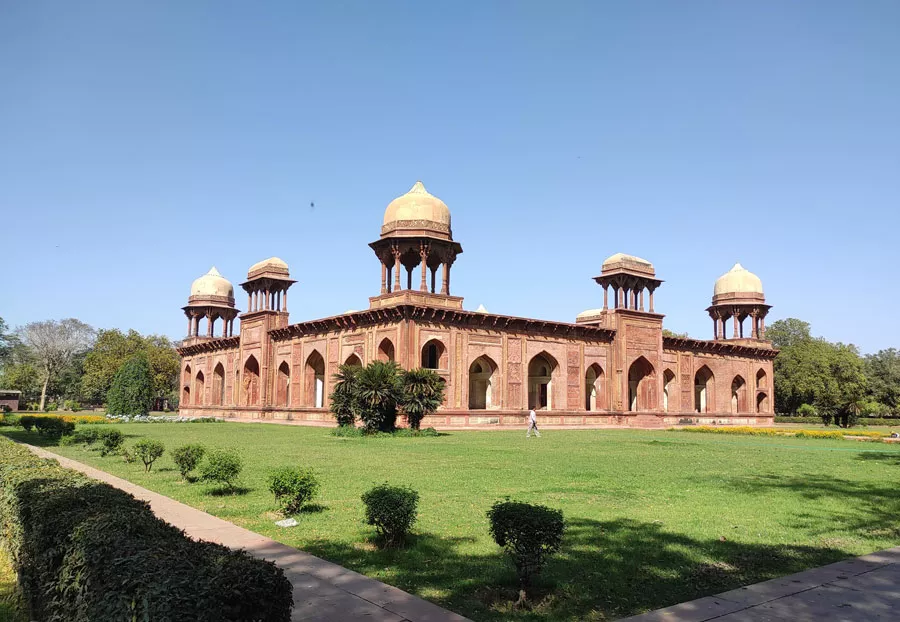
Mariam’s Tomb, which is situated in a close proximity to Akbar’s Tomb, is the tomb of Mariam-uz-Zamani, the Emperor Akbar’s wife and the mother of Emperor Jahangir. This not very well-known monument does not get as much attention as its more popular neighbors but is, however, as wonderful as they are. The tomb is surrounded by a vast garden and it is lavishly decorated with detailed frescoes and carvings, thus providing a calm and beautiful atmosphere.
Timings:
Sunrise to sunset
Entry Fees:
Free
Tips:
A peaceful place with fewer tourists. Great for photography and leisurely walks
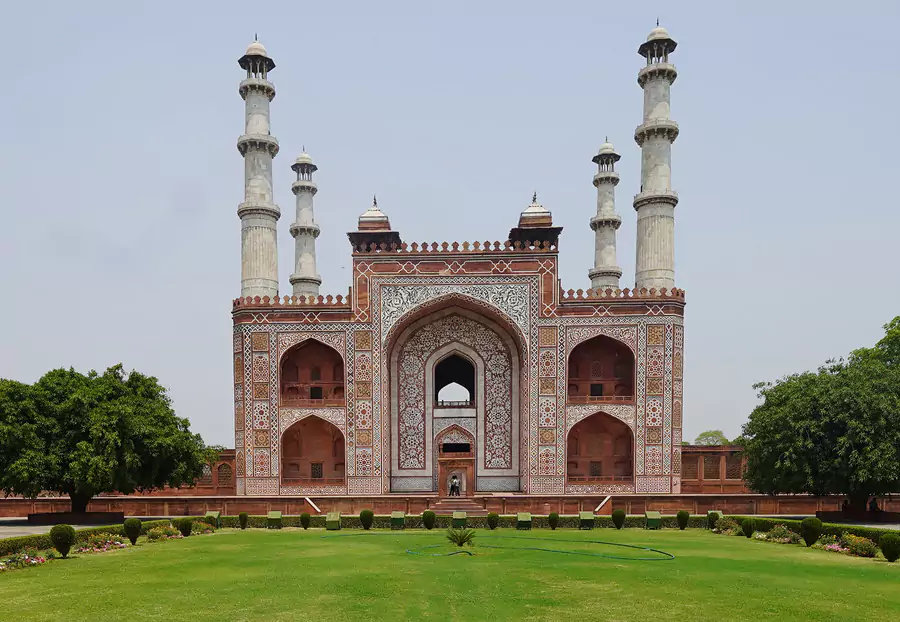
Akbar’s Tomb, located in Sikandra, is a beautiful reflection of the emperor’s open-minded and inclusive philosophy. Unlike many Mughal monuments, this mausoleum blends Islamic, Hindu, Persian, and even Christian architectural elements, symbolizing unity and tolerance.
The entrance itself feels grand, leading into a vast garden complex filled with greenery. Peacocks often roam freely here, adding a touch of natural beauty to the historical setting.
The tomb structure rises gradually, with intricate carvings, calligraphy, and decorative details that reward close observation. The peaceful surroundings make this site ideal for a relaxed visit, away from the crowds found at more popular attractions.
Walking through the gardens, you feel a sense of calm that allows you to reflect on the legacy of one of India’s greatest emperors.
Entry Fees
Indians: ₹30
Foreigners: ₹310
Timings
8:00 AM to 6:00 PM
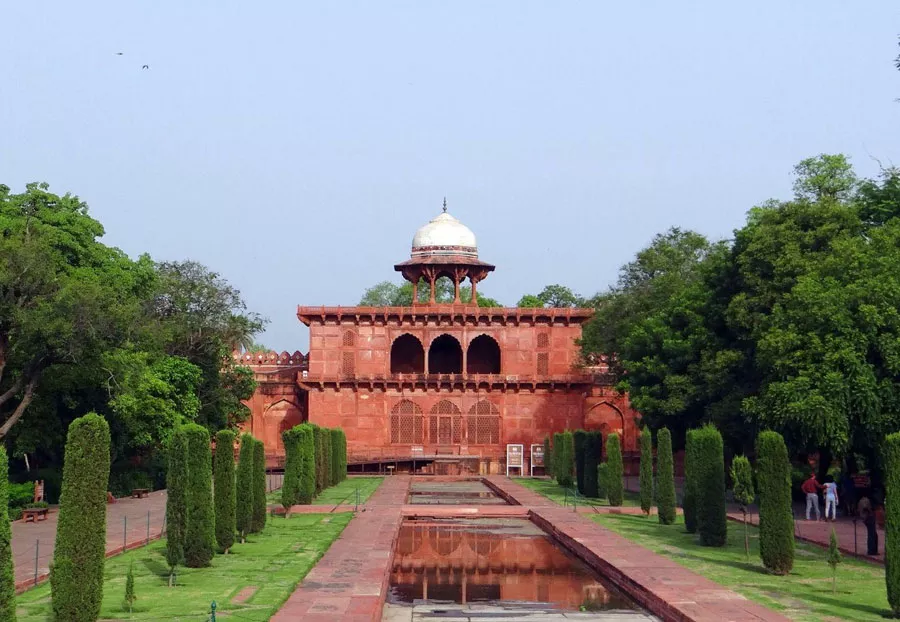
To truly understand the Taj Mahal beyond its beauty, a visit to the Taj Museum is highly recommended. Located within the Taj Mahal complex, this museum provides valuable insight into the monument’s history, construction, and artistic details.
Inside, you will find Mughal-era manuscripts, miniature paintings, architectural drawings, and tools used during the construction of the Taj. These exhibits help you appreciate the scale of effort, craftsmanship, and vision that went into creating this world-famous monument.
The museum adds depth to your Taj Mahal visit, turning admiration into understanding. It is especially meaningful for history lovers and curious travelers who want to look beyond photographs.
Entry Fees
Indians: ₹20
Foreigners: ₹750
Timings
10:00 AM to 5:00 PM
Closed on Fridays
Hidden away from Agra’s busy tourist routes lies a place that feels worlds apart from the city’s hustle. The Radha Swami Samadhi, more commonly known as Dayal Bagh, is not just a monument but a living expression of devotion, discipline, and timeless craftsmanship. Visiting this sacred site offers a completely different experience from Agra’s grand Mughal landmarks. Here, silence speaks louder than grandeur.
The samadhi is the mausoleum of Shiv Dayal Singh, the founder of the Radha Swami faith. Situated in the peaceful Dayal Bagh area of Agra, this spiritual complex reflects values of simplicity, harmony, and inner growth. What makes the Radha Swami Samadhi truly unique is that it has been under construction for over a century and continues to be built even today, entirely through voluntary service.
As you approach the structure, the first thing you notice is its remarkable architecture. Crafted almost entirely from white marble, the design seamlessly blends Hindu, Islamic, and Christian elements. Domes, arches, pillars, and carvings come together in perfect balance, symbolizing unity among different belief systems. The intricate marble inlay work is so detailed that it encourages visitors to slow down and observe closely.
Timings
10:00 AM to 5:00 PM
Ticket Price
Free entry
Visitor Tips
Wear comfortable shoes, as walking is required within the complex. Take time to observe the ongoing marble work, as it is one of the most fascinating aspects of the site. Maintain silence, dress modestly, and respect the peaceful atmosphere throughout your visit.
Agra’s food tells its own story, one shaped by royal kitchens and local ingenuity.
Petha
Agra’s signature sweet made from ash gourd. Try saffron, rose, or mango varieties from traditional sweet shops.
Mughlai Cuisine
Rich gravies, tender kebabs, aromatic biryanis. Restaurants like Pinch of Spice and Pind Balluchi are popular choices.
Bedai and Jalebi
A classic breakfast combination loved by locals. Spicy, crispy, and unforgettable.
Dalmoth
Crunchy and savory, perfect to take home as an edible souvenir.
Street Chaat
Aloo tikki, pani puri, and dahi bhalla fill the streets with flavor. Sadar Bazaar is a favorite spot.
Agra is not just about ticking attractions off a list. It is about moments. Watching the Taj Mahal glow at sunrise. Sharing street food with locals. Listening to stories from a guide who grew up near the fort. Feeling the quiet sadness and beauty woven into the city’s past.
Agra teaches you that history is not distant. It is human. It is filled with love, loss, ambition, and creativity. When you leave Agra, you take more than photos. You carry emotions, understanding, and a deeper connection to India’s soul.
If you let Agra Travel guide you instead of rushing through it, the city will reward you with memories that stay warm in your heart forever.
Let a professional travel specialist handle your transportation, sightseeing, and accommodation — so you can simply enjoy your journey.
 Call/WhatsApp: +91-9810368671
 Email: info@tajmahaldaytripfromdelhi.com
©2025. Taj Mahal Day Trip From Delhi. All Rights Reserved.